![]()
The goal for the governance structure of GHUCCTS is to provide effective and efficient mechanisms for providing guidance and decision making for GHUCCTS, while preserving the identities and values and deriving synergy from the unique resources of the member institutions. This is be achieved by a bipartite leadership model, deliberative and decision-making bodies with representation from all GHUCCTS institutions, and distributed but integrated component leadership groups. An Investigator Support and Administrative Core provides both personalized and web-based navigation to investigators, and serves to maximize efficiencies throughout all of the CTSA components. The GHUCCTS governance is subject to an ongoing rigorous evaluation process that identifies emerging problems so that modifications of structure and alterations of personnel can be undertaken when necessary to maintain optimal effectiveness and accountability. By its very structure, as well as agreed upon priorities, GHUCCTS actively promotes multidisciplinary and cross-institutional research in the communities of Washington DC.
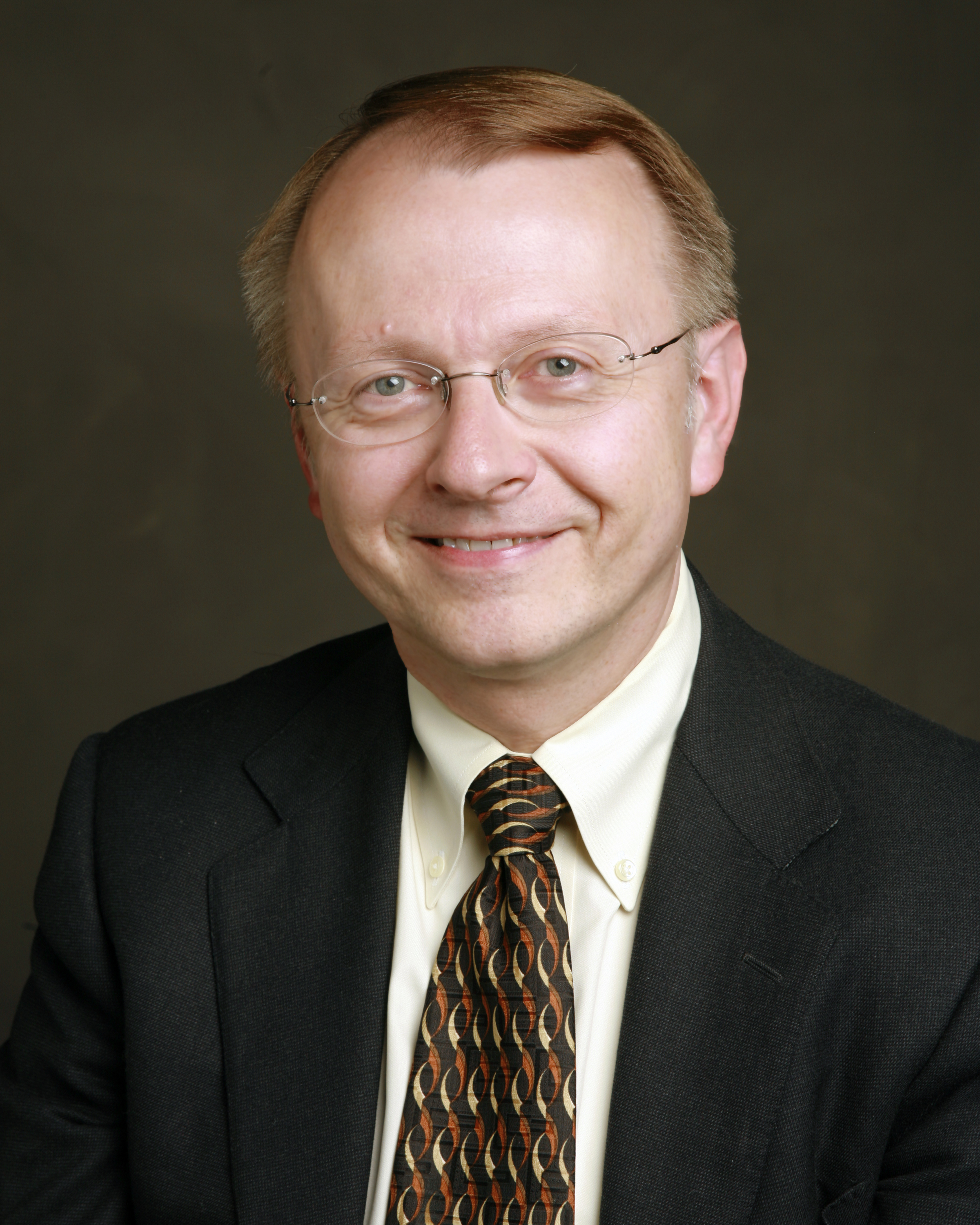 Georgetown Principal Investigator: Joseph Verbalis, MD
Dr. Verbalis is a Professor of Medicine, Chief of Endocrinology and Metabolism, and MPI of the Georgetown-Howard Universities Center for Clinical and Translational Science at Georgetown University. He graduated from Princeton University with an AB in chemistry in 1971, and received an MD from the University of Pittsburgh in 1975. He completed his residency training at the Hospital of the University of Pennsylvania from 1975-1978 and his fellowship training in endocrinology and metabolism at the University of Pittsburgh from 1978-1980. Dr. Verbalis was a faculty member at the University of Pittsburgh from 1980 through 1995, and then relocated to Georgetown University in 1995.
Dr. Verbalis has published more than 285 journal articles and book chapters related to the neuroendocrine regulation of the hormones vasopressin and oxytocin, and disorders of body fluid homeostasis. He authors the chapters on vasopressin and water metabolism in major textbooks of endocrinology, nephrology and neuroscience and is a regularly invited speaker at national and international meetings on neuroendocrinology and body fluid homeostasis. Dr. Verbalis’ research has emphasized translating scientific findings from experimental animal and cell models of disease to improvements in the clinical care of patients. He been funded by the National Institutes of Health for the last 25 years, and has concentrated on mechanisms underlying adaptation to hyponatremia, renal escape from vasopressin, osmotic regulation of hypothalamic gene expression, sex differences in physiology and pathophysiology, exercise-associated hyponatremia, and clinical use of vasopressin receptor antagonists. In 2007 he was the awarded the Berthold Medal by the German Endocrine Society for outstanding scientific achievement in endocrinology by individuals who have excelled in combining both basic and clinical research. From 2003 to 2010 Dr. Verbalis directed the Georgetown-MedStar General Clinical Research Center. Under his co-leadership, Georgetown and Howard Universities were awarded a Clinical and Translational Science Award in 2010 to establish the Georgetown-Howard Universities Center for Clinical and Translational Science.
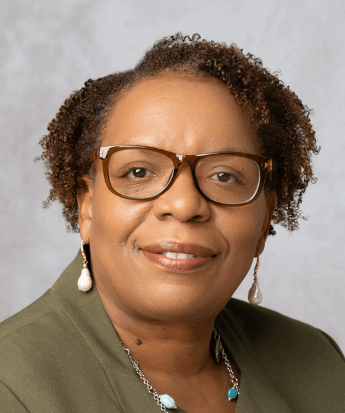 Howard co-Principal Investigator: Marjorie C. Gondré-Lewis, PhD
Dr. Gondré-Lewis is a Professor of Neuroscience at Howard University, Director of the NeuroPsychoPharmacology Laboratory, and Associate Dean for Faculty Development for the College of Medicine. She is the Howard MPI of the Georgetown-Howard Universities Center for Clinical and Translational Science (GHUCCTS). Dr. Gondré-Lewis obtained her bachelor’s degree from New York University, her Masters and Doctorate from Albert Einstein College of Medicine’s Dominick J. Purpura Department of Neuroscience. She completed her postdoctoral fellowship at the NIH’s National Institute of Child Health and Human Development (NICHD), and joined the faculty at Howard University in 2005. She was a standing member of the Developmental Brain Disorders study section for several years, and has served as an ad hoc member on numerous other study sections.
Dr. Gondré-Lewis’ research focuses on mechanisms of addiction in people with substance use disorder (SUD) and on identifying functional neuroanatomical correlates of SUD and co-morbid HIV. Her clinical translational work is guided by consideration for ethnicity-based genetic/biological variations, and socioeconomic determinants of (mental) health that influence health care outcomes and scientific interpretations of data. Her research has received continuous federal funding and she has published dozens of primary research articles, as well as numerous reviews, and book chapters. In 2023, she was featured in Neuron.
In addition to her decanal role and extensive research work, she has a substantial record of mentorship of students (undergraduate, graduate, medical, and dental students), postdoctoral researchers, junior faculty (clinical and basic scientists) as well as peer mentor to mid-career and senior faculty. She is the immediate past Howard University co-Director of the KL-2 Faculty scholars training program for GHUCCTS. She has supported national programs as a leader and/or significant contributor, including the American Psychological Associations’ (APA) Scholarships to Enhance and Empower Diversity (SEED), the Inter-CFAR (Center for AIDS Research) URM (underrepresented minority) Strategic Planning Group, and the BRAINS (Broadening Representation of Academic Investigators in Neuroscience), among others. In her GHUCCTS leadership role, she embraces the unique co-equal partnership of Howard University and its Historically Black Medical College (HBMC), with Georgetown University to enhance the clinical translational landscape in the entire region. Our focus is to enhance the reach of the national CTSA goals to have a tangible impact on the lives of everyone, including people who are underrepresented. Dr. Gondré-Lewis has received several accolades for her work in the community, as a teacher, and for mentorship.